
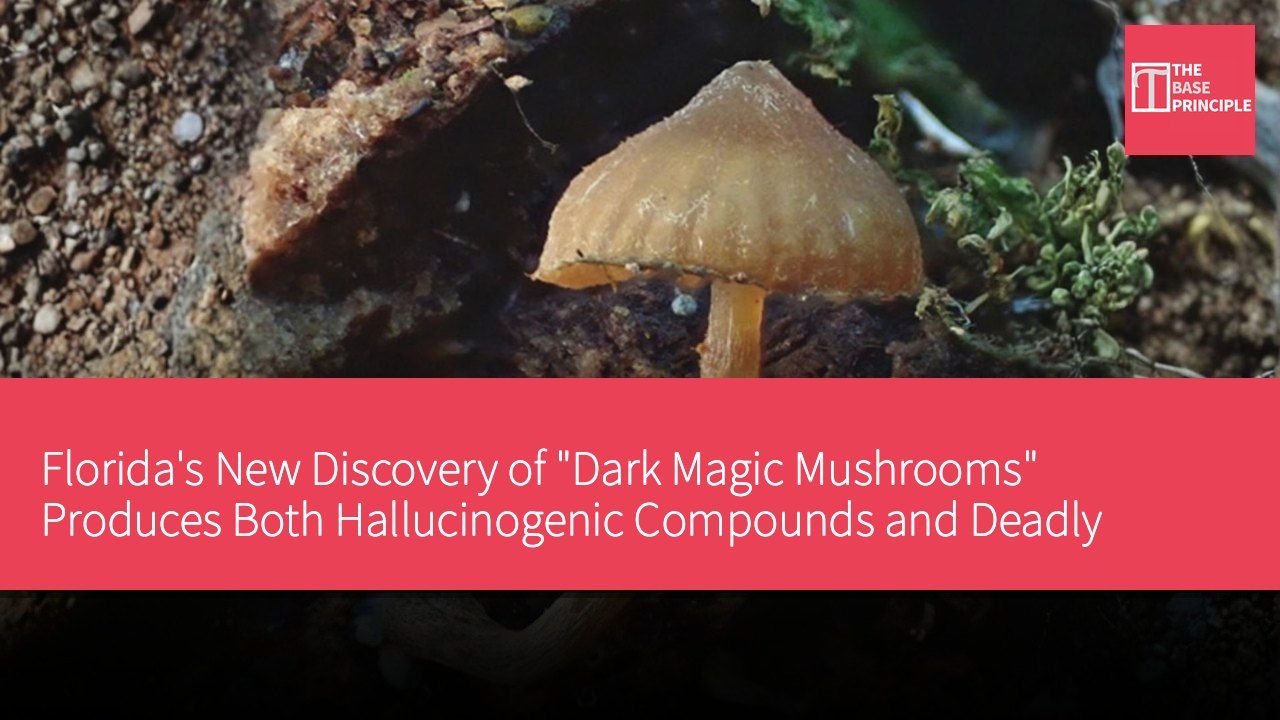
- G. indica is the first known mushroom species to produce both psilocybin and amatoxins.
- The mushroom resembles other small brown mushrooms, making it difficult to identify.
- Researchers suspect that horizontal gene transfer may play a role in its chemical production.
- Future studies will explore the genetic origins of the mushroom and the uses of its chemicals.
In a wetland in Florida, scientists have discovered a small brown mushroom, named Galerina indica, which produces the hallucinogenic substance psilocybin as well as a class of deadly toxins known as amatoxins. This makes Galerina indica the first known species to simultaneously produce both psilocybin and amatoxins. This discovery confirms a situation that mycologists had suspected could occur, but had never been recorded within the same species.
The intriguing aspect of this discovery is that, despite its deadly combination, Galerina indica does not exhibit any unusual characteristics. Its cap is very small and brown, meaning multiple caps could fit on the surface of a fingernail, and it resembles many other wild mushrooms.
Chemical Composition and Genetics of the Mushroom
The mushrooms in Florida produce two sets of chemical compounds. The research team analyzed the chemical composition and genetics of this mushroom, confirming that it indeed produces both of these chemicals simultaneously. They also discovered that it produces a unique form of amatoxin known as α-proamanitin. This finding expands our understanding of the range of toxic chemicals produced by poisonous fungi. Researchers suspect that horizontal gene transfer may have played a role in the formation of this combination. Horizontal gene transfer refers to the transfer of DNA between two different organisms, rather than from parent to offspring.
Bryn Dentinger, a mycologist at the University of Utah, explained, "Horizontal gene transfer is like us shaking hands, and then some of my DNA integrates into your genome." He stated, "It is completely unprecedented for two independent instances of horizontal gene transfer to occur within a genus of mushrooms that produce these specialized chemicals."
Implications of Horizontal Gene Transfer
Future genetic studies may help determine whether this is indeed the case. By analyzing the evolution of this mushroom, researchers suspect that horizontal gene transfer occurred within the Galerina series, introducing the genome that produces psilocybin. However, the specific pathways remain unclear. Researchers have yet to determine why this mushroom produces both substances simultaneously. While amatoxins may help certain fungi deter animals from feeding, the natural purpose of psilocybin is still unclear. It is not known what benefits psilocybin provides to the fungi that produce it, or whether these two chemical pathways serve different purposes.
Challenges in Visual Identification
The appearance of the mushroom may pose problems. G. indica is difficult to distinguish from other small brown fungi. Even experts may find it challenging to identify in the field. Due to its small size and brown color, there are no obvious markers indicating what chemicals it contains. Many mushrooms look similar but may contain very different chemicals. While this does not mean that all small brown mushrooms are toxic, it illustrates why one should not assume wild mushrooms are safe based solely on appearance. Misidentifying a toxic mushroom as a non-toxic one can lead to serious or even fatal consequences.
Future research may help understand how this mushroom acquired the genes to produce such unusual chemicals, as well as the reasons behind it.
However, G. indica is a rare example of a mushroom that contains both hallucinogenic chemicals and toxins associated with fatal poisoning. These findings have been published in the journal Current Biology.
Ecological Significance of Coexisting Hallucinogens and Toxins
The discovery of G. indica highlights the diversity of chemicals in nature, particularly the occurrence of a single species producing both hallucinogenic compounds and deadly toxins. This not only challenges our understanding of fungi but also prompts deeper consideration of their evolutionary processes. Horizontal gene transfer may provide the genetic basis for this unique chemical combination, which could have significant survival implications in ecosystems. Future research will help reveal the natural uses of these chemicals and enhance the ability to identify wild mushrooms to avoid potential dangers.