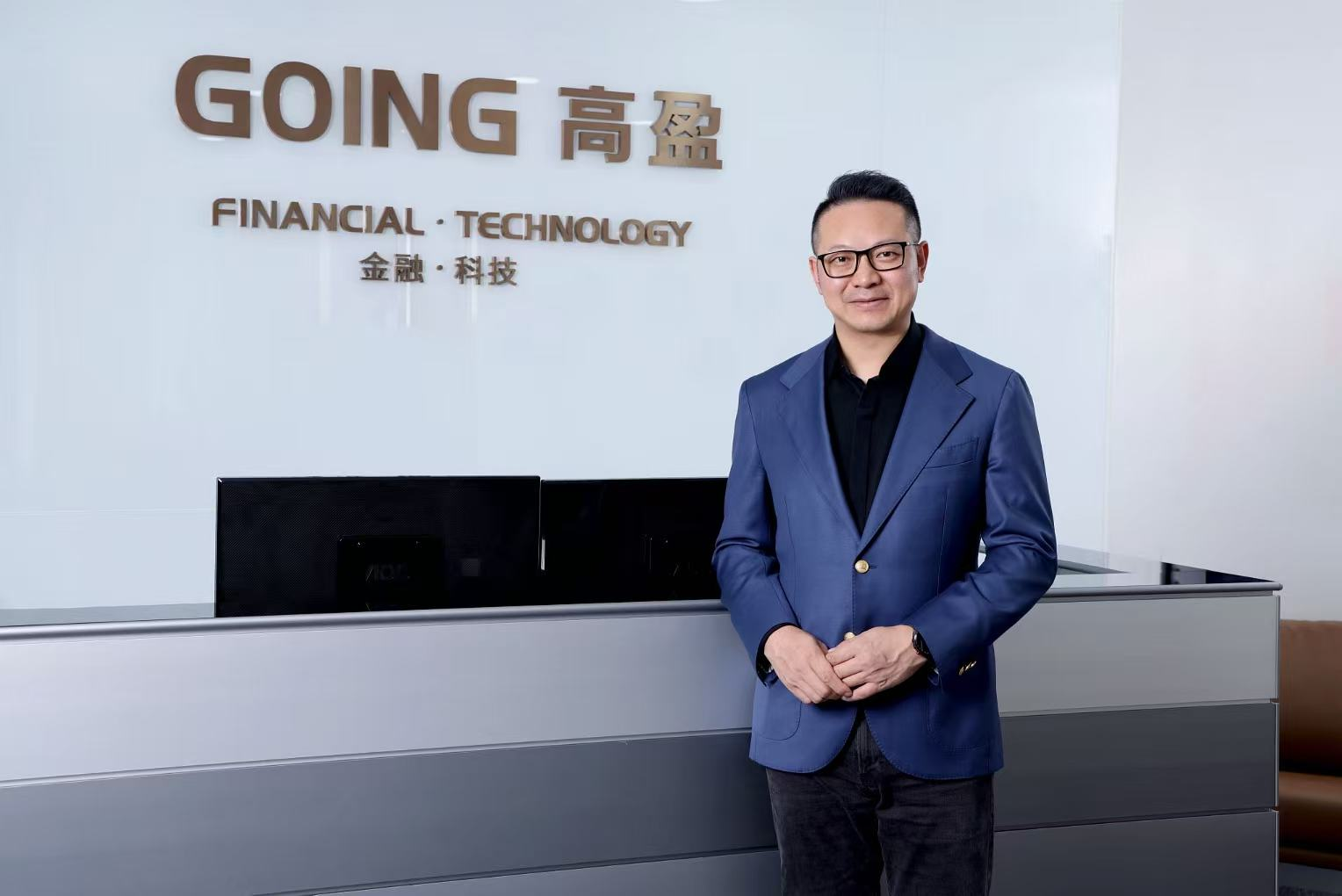
As global financial markets evolve, competition in quantitative investment intensifies, and technological advancements compel investors to continuously adapt to new environments. Gao Ying Quantitative stands out in this field, particularly with its second fund winning the Relative Value Strategy Award at the 2026 HFM Asia Pacific Hedge Fund Performance Awards, showcasing its leadership in quantitative investment. To gain deeper insights into Gao Ying Quantitative's future strategies and how it leverages AI technology to tackle market challenges, the Techritual editorial team interviewed David Wu, Chairman of Gao Ying Quantitative.
Gao Ying Quantitative's Long-Term Vision
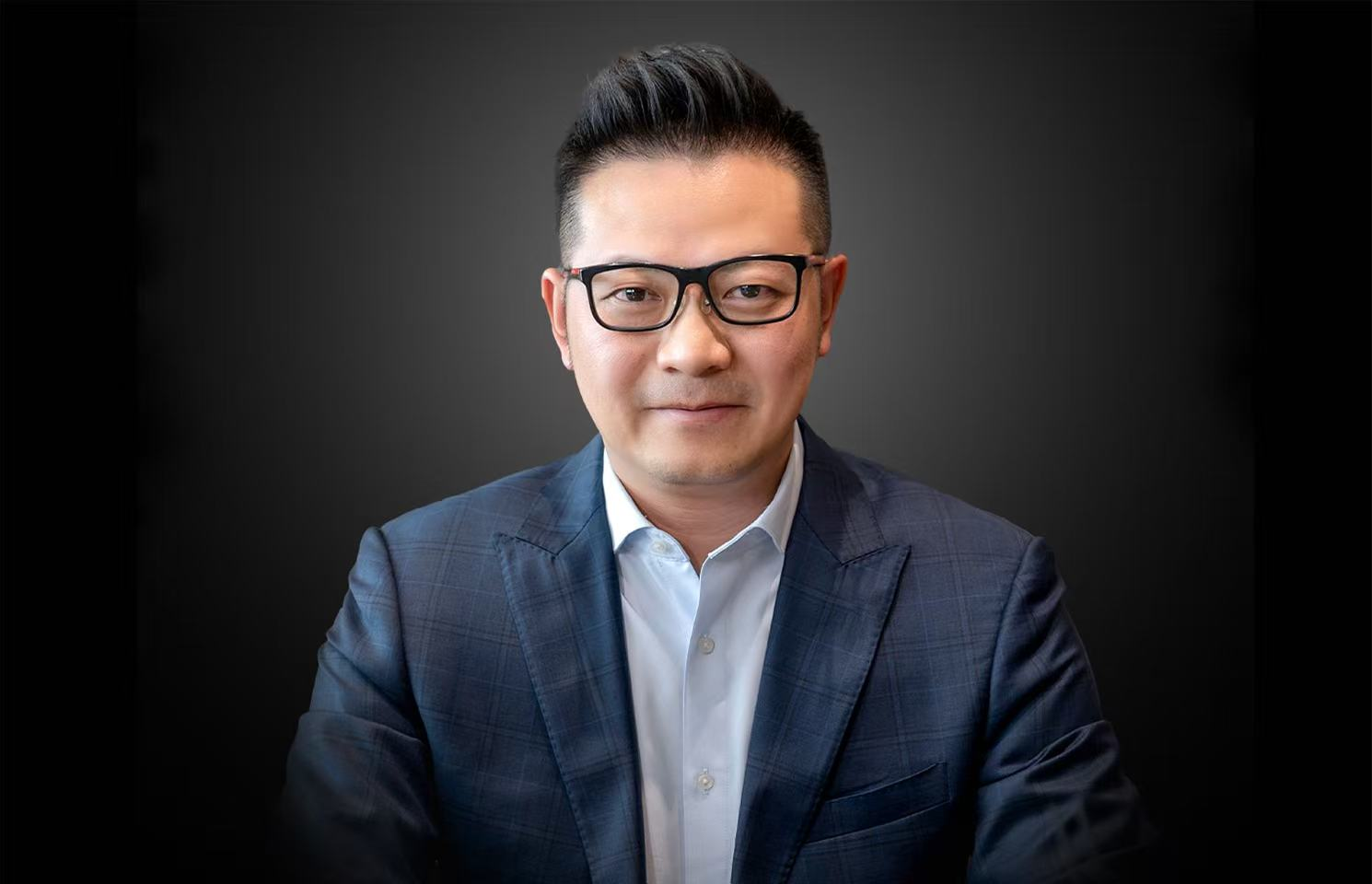
David Wu stated that Gao Ying Quantitative's long-term vision is to establish an AI-native quantitative asset management institution based in Hong Kong, serving a global clientele. The core philosophy is "Technology empowers long-term asset appreciation." He emphasized that this vision aims to move away from traditional quantitative reliance on human experience and static factors, establishing a modern quantitative investment ecosystem characterized by fully intelligent, international, and highly compliant standards.
He pointed out that the company's overall strategy will focus on three core directions: first, adhering to full-stack technology self-research, continuously iterating the AI end-to-end intelligent investment research and trading framework; second, deepening its positioning as an international financial hub in Hong Kong and expanding its global multi-market layout; and finally, ensuring extreme intelligent risk control as a baseline, balancing technological innovation with capital safety, providing institutional and high-net-worth investors with resilient and sustainable quantitative allocation solutions.
"In our development layout, technology is not an auxiliary tool but the primary core driver of corporate development."
David Wu, Chairman of Gao Ying Quantitative
Applications of AI Technology
Discussing the specific applications of AI in strategy research and quantitative trading, David Wu emphasized that Gao Ying Quantitative has taken the lead in completing the paradigm shift from "manual factor mining" to "large model intelligent decision-making," establishing AI's dominant position throughout the investment research and trading process. He introduced several core application scenarios:
- Global data intelligent extraction: Utilizing a self-built AI data center to integrate multidimensional data, enhancing the breadth and accuracy of information capture.
- Autonomous strategy mining and evolution: AI can autonomously explore latent effective market factors without human intervention and conduct real-time market backtesting.
- Full-link intelligent trading decision-making: Building a self-researched AI trading framework to achieve fully automated closed-loop operations, addressing traditional quantitative pain points.
- Global dynamic intelligent risk control: AI models monitor market fluctuations in real time, achieving proactive, real-time, and intelligent risk control.
"Our AI models can capture real-time changes in the weights of four core variables: macro, capital, sentiment, and liquidity, quickly identifying the dominant trading logic in the market."
David Wu, Chairman of Gao Ying Quantitative
Strategies for Responding to Market Volatility
In the current uncertain global market, David Wu pointed out that Gao Ying Quantitative relies on AI's adaptive, self-iterative, and forward-looking capabilities to deliver stable performance. He explained that AI's real-time dynamic understanding of the market allows for quick identification of dominant trading logic, automatically adjusting factor weights, strategy styles, and trading frequencies to avoid disconnection between strategies and the market.
Additionally, David Wu emphasized that the reinforcement learning self-iteration capability enables AI models to autonomously learn profit and hedging logic across various market scenarios, enhancing survival and profitability in complex markets.
"AI does not require human instructions; it can complete risk assessments in milliseconds, automatically reducing high-correlation exposures and diversifying portfolio risks."
David Wu, Chairman of Gao Ying Quantitative
Technical Advantages of Gao Ying Quantitative's Second Fund
David Wu further introduced the AI-driven computing platform of Gao Ying Quantitative's second fund, which is the company's flagship product for technology implementation. He pointed out that the platform operates on a five-layer closed-loop architecture, including data input, AI intelligent decision-making, low-latency execution, real-time risk control, and backtesting iteration, giving Gao Ying Quantitative a unique competitive advantage in the industry.
He emphasized that the platform's core competitive advantage lies in its fully self-researched and developed technology, with no reliance on external technologies, and it possesses high market adaptability, capable of dynamically adjusting to various market environments, enhancing execution efficiency and precision.
"Risk control is no longer a post-event regulation but is embedded in every aspect of trading, controlling drawdowns from the source."
David Wu, Chairman of Gao Ying Quantitative
Future Development Directions
Looking ahead, David Wu stated that Gao Ying Quantitative will continue to focus on four directions: intelligent, proactive, global, and refined, iterating a new risk control system. He mentioned plans to upgrade the AI extreme market stress testing system, build a full-link real-time intelligent risk control hub, and develop liquidity intelligent prediction models to address extreme market conditions.
He concluded by emphasizing that Gao Ying Quantitative will continue to empower risk control through technology, upgrading from "passively responding to risks" to "actively preventing and intelligently resolving risks."
"We will protect investors' asset safety and long-term return stability with industry-leading risk control capabilities."
David Wu, Chairman of Gao Ying Quantitative